
The 2025-2030 Dietary Guidelines for Americans just dropped, and they're not messing around. For the first time, the official line is that no amount of added sugar belongs in a healthy diet. Not a little. Not in moderation. None. If you've been looking for a reason to finally make the switch to a monk fruit sweetener, this is it — the guidelines are basically begging you to cut sugar, and monk fruit makes that transition actually doable without feeling like you're punishing yourself.
The guidelines also call out "highly processed foods" by name for the first time, and the new food pyramid flips the old one entirely — putting meat, dairy, and vegetables front and center instead of the grain-heavy base we've had for decades. The tagline is "eat real food." That's not a bad starting point.
So where does that leave anyone who actually enjoys sweet things? Or anyone who's tried cutting back before but keeps falling off because artificial sweeteners taste like regret and unsweetened everything just makes you obsess about sugar more?
Why Monk Fruit Sweetener Matters for Your Sugar Reduction Goals (New 2025 Guidelines)
What the 2025 Guidelines Actually Say About Sugar
The new recommendations say no single meal should contain more than 17.5 grams of added sugar — roughly 4 teaspoons. For context, a can of Coke has 39 grams. A "healthy" flavored oatmeal packet has 12. A granola bar clocks in around 8-10. Three of those and your day's done before lunch.
The guidelines also take aim at non-nutritive sweeteners, saying none are recommended. But monk fruit isn't an artificial chemical — it's a whole fruit extract from the luo han guo plant, used in traditional Chinese medicine and cuisine for centuries. The sweeteners the guidelines are really warning about are the lab-created ones: aspartame, sucralose, saccharin. Monk fruit sits in a completely different category, and the scientific literature backs that distinction up.
Why Monk Fruit Sweetener Works When Other Options Fall Short
Most people fail at sugar reduction for one simple reason — everything they replace sugar with tastes wrong. Stevia has that bitter licorice finish that lingers. Erythritol bothers a lot of stomachs (the "erythritol farts" meme exists for a reason). Artificial sweeteners carry their own health question marks, and going cold turkey on sweetness just makes you crave the real thing more intensely.
Monk fruit sweetener solves this because it's naturally sweet — 150 to 200 times sweeter than sugar — with zero calories, zero glycemic impact, and none of that weird aftertaste. The sweetness comes from compounds called mogrosides, which are antioxidants that happen to taste almost exactly like sugar. Your taste buds register the same signal they get from a spoonful of white sugar. Your blood sugar? It doesn't move. That's the whole trick.
For anyone trying to actually follow the new guidelines — cutting added sugar without going crazy — a good monk fruit sweetener is about as close to a dietary cheat code as you're going to find in 2026.
Where It Fits in Your Daily Life
The guidelines tell you to cut added sugar. They don't tell you how to do it in a way that works for an actual human being with cravings and habits and a morning routine. Here's where monk fruit makes the biggest practical difference:
Coffee and tea. This is the easiest swap you'll make all day. One packet replaces a teaspoon of sugar. No adjustment period, no aftertaste, no weird texture. Most people who try it forget they switched within a week.
Baking. It measures cup-for-cup like regular sugar. It browns, caramelizes, and works in cookies, muffins, cakes, and quick breads. The one real difference: you'll want to add a splash more liquid since sugar provides moisture that monk fruit doesn't.
Beverages. Lemonade, iced tea, smoothies, homemade sports drinks — monk fruit dissolves clean in cold liquids without leaving that grainy residue some sweeteners are known for.
Breakfast. This is the meal where hidden sugar sneaks in hardest. Oatmeal, yogurt, pancakes, cereal — monk fruit gives you the sweetness without the 10-15 grams of added sugar most breakfasts hide under "natural flavors" and "evaporated cane juice."
What to Look For
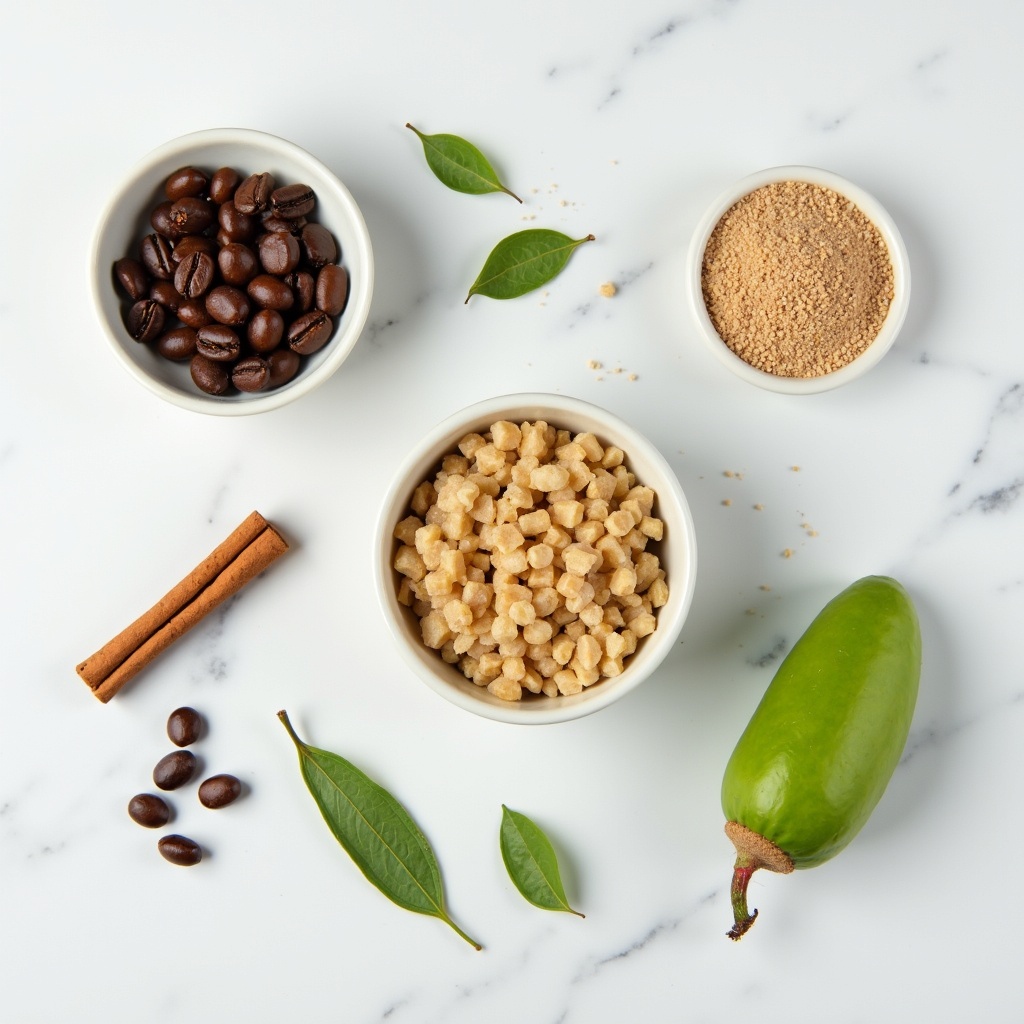
Here's the thing most people don't realize — not all monk fruit sweeteners are the same. Most big brands blend monk fruit extract with erythritol (a sugar alcohol) to cut costs and add bulk. If your stomach is sensitive to sugar alcohols or you want the cleanest option, look for a pure monk fruit sweetener without erythritol.
At SweetMonkFruit, we keep it simple: monk fruit extract, nothing else. No fillers, no blends, no erythritol. One ingredient on the label. The way monk fruit is supposed to taste — clean, sweet, and real.
The Bottom Line
The 2025-2030 Dietary Guidelines are telling us what most of us already know deep down: we need less sugar. The average American eats about 17 teaspoons of added sugar a day — more than triple what the new recommendations allow. That gap is huge, and closing it takes more than willpower.
A good monk fruit sweetener bridges that gap between what the guidelines recommend and what's sustainable in real life. It makes cutting back feel less like deprivation and more like a swap you barely notice.
Try SweetMonkFruit's pure monk fruit sweetener and see for yourself. One ingredient. Zero sugar. No compromise.

